SPC vs. Vinyl Flooring in Singapore: Which is Best for Your HDB or Condo?
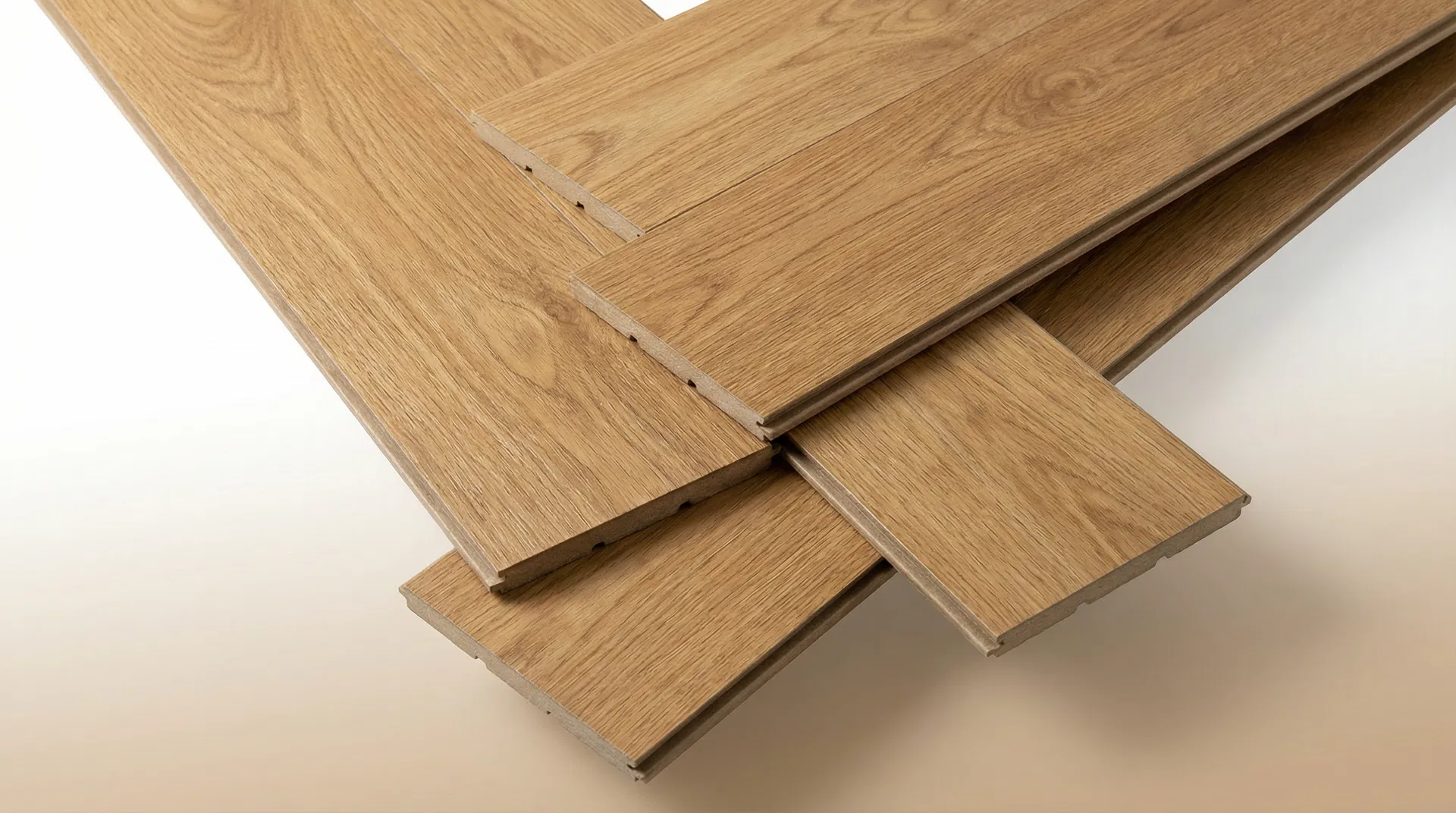
SPC vs. Vinyl Flooring in Singapore: Which is Best for Your HDB or Condo?
Choosing the right flooring for your home in Singapore is a significant decision. It impacts not only the aesthetics of your living space but also its comfort, durability, and long-term value. For many homeowners, especially those in HDB flats or condominiums, the debate often boils down to two popular options: SPC (Stone Plastic Composite) flooring and traditional vinyl flooring. Both offer compelling advantages over traditional materials like tiles or parquet, but they are far from identical.
At Enoch Surfaces, we understand the unique challenges and preferences of Singaporean homeowners. The tropical climate, the need for practical yet stylish solutions, and the desire for value for money are all top considerations. This comprehensive guide aims to demystify the differences between SPC and vinyl flooring, helping you make an informed choice that perfectly suits your lifestyle and property type.
1. Understanding SPC and Vinyl Flooring: Core Differences in Composition and Structure
While often grouped under the broader category of 'resilient flooring,' SPC and traditional vinyl flooring have distinct compositions that give them unique performance characteristics. Understanding these core differences is the first step to making an informed decision.
What is Traditional Vinyl Flooring?
Traditional vinyl flooring, often referred to as Luxury Vinyl Tiles (LVT) or Luxury Vinyl Planks (LVP), is a multi-layered synthetic product. Its typical structure includes:
- Wear Layer: The top protective layer, usually clear, that resists scratches, scuffs, and stains.
- Print Layer: A high-definition photographic film that mimics the look of natural materials like wood or stone.
- Vinyl Core: The main body of the plank or tile, made from PVC (polyvinyl chloride). This core is flexible and relatively soft.
- Backing Layer: A foundational layer that provides stability and sometimes includes an attached underlayment for comfort.
What is SPC Flooring?
SPC flooring, a newer innovation, stands for Stone Plastic Composite or Stone Polymer Composite. It shares some similarities with LVT/LVP but features a significantly different core, making it a distinct product. Its layers typically include:
- UV Coating: An extra layer for enhanced durability and stain resistance.
- Wear Layer: Similar to vinyl, this clear layer protects against daily wear and tear.
- Print Layer: The design layer, offering realistic wood or stone aesthetics.
- SPC Core: This is the game-changer. Unlike traditional vinyl's flexible PVC core, SPC's core is made from a blend of natural limestone powder, polyvinyl chloride, and stabilisers. This composition results in an extremely dense, rigid, and stable core.
- Underlayment (Optional/Attached): Many SPC products come with an attached IXPE or EVA foam underlayment for added comfort, sound absorption, and insulation.
Key Structural Differences at a Glance:
| Feature | Traditional Vinyl (LVT/LVP) | SPC Flooring (Stone Plastic Composite) |
|---|---|---|
| Core Material | Flexible PVC (Polyvinyl Chloride) | Rigid composite of limestone powder & PVC |
| Thickness | Generally 2-5mm | Generally 4-8mm (including attached underlay) |
| Density | Lower, more flexible | Higher, very rigid and dense |
| Waterproof | Water-resistant (seams can be vulnerable) | 100% Waterproof (core will not swell or warp) |
| Temperature Stability | More susceptible to expansion/contraction | Highly stable, minimal thermal expansion |
| Indent Resistance | Moderate | High (due to rigid core) |
The rigid core of SPC flooring is its defining characteristic, providing superior stability and resistance to temperature fluctuations, which is particularly relevant in Singapore's climate.
2. Performance in Singapore's Climate: Humidity, Heat, and Durability Considerations
Singapore's tropical climate – characterised by high humidity, consistent heat, and occasional heavy downpours – presents unique challenges for flooring materials. What performs well in a temperate climate might not hold up here. This is where the structural differences between SPC and traditional vinyl become critical.
Humidity and Water Resistance
One of the biggest concerns for Singaporean homeowners is humidity. High moisture levels can cause many flooring types to swell, warp, or delaminate.
-
Traditional Vinyl: While generally considered water-resistant, the flexible PVC core of traditional vinyl can still be susceptible to moisture if water penetrates the seams or if there's prolonged exposure. Over time, significant humidity changes can also lead to some expansion and contraction, potentially causing gaps or buckling.
-
SPC Flooring: This is where SPC truly shines. Thanks to its stone-plastic composite core, SPC flooring is 100% waterproof. The rigid core does not absorb water, meaning it won't swell, warp, or buckle even in areas prone to splashes, like kitchens, bathrooms, or near balconies. This makes SPC an incredibly robust choice for Singapore's humid environment, offering peace of mind against accidental spills or even minor leaks. For families with young children or pets, this feature is invaluable.
Heat and Temperature Stability
Singapore's consistent warmth means your flooring will be exposed to stable, albeit high, temperatures. However, direct sunlight through windows can create localised hot spots.
-
Traditional Vinyl: The PVC core in traditional vinyl is more thermoplastic, meaning it's more prone to expanding and contracting with temperature changes. In areas receiving direct, intense sunlight, you might observe slight gapping or lifting over time due to thermal expansion.
-
SPC Flooring: The rigid, dense core of SPC flooring provides exceptional dimensional stability. It is far less susceptible to expansion and contraction caused by temperature fluctuations. This means SPC flooring is much more forgiving in areas with direct sunlight exposure, making it a reliable choice for living rooms with large windows or master bedrooms that catch the afternoon sun. You won't have to worry about unsightly gaps appearing between planks.
Durability and Indent Resistance
Daily life in an HDB or condo involves moving furniture, dropping objects, and constant foot traffic. Durability is paramount.
-
Traditional Vinyl: With its softer, more flexible core, traditional vinyl is generally comfortable underfoot but can be more prone to indentations from heavy furniture or sharp objects. While the wear layer protects against scratches, a heavy impact can still leave a lasting mark.
-
SPC Flooring: The rigid core of SPC flooring provides superior indent resistance. It can withstand heavier loads and impacts much better than traditional vinyl, making it an excellent choice for high-traffic areas or homes with heavy furniture. If you're furnishing your HDB or condo with solid wood pieces or frequently rearrange your living space, SPC offers an added layer of protection against damage.
For homeowners in Singapore, especially those seeking a long-lasting, low-maintenance solution that can withstand the tropical climate, SPC flooring from Enoch Surfaces emerges as a clear winner in terms of performance and durability. Its 100% waterproof and highly stable nature directly addresses the pain points of humidity and heat, ensuring your floors look great for years to come.
3. Cost Comparison & Installation: What to Expect for HDBs and Condos
Cost and installation are often deal-breakers for homeowners. While both SPC and vinyl are generally more budget-friendly than natural wood or stone, there are nuances to consider, especially in the context of HDB and condo living in Singapore.
Material Cost
-
Traditional Vinyl: Generally, traditional LVT/LVP tends to be slightly more affordable per square foot than SPC flooring. The manufacturing process for its flexible PVC core is less complex than that for the rigid SPC core.
-
SPC Flooring: Due to its advanced composition and superior performance characteristics, SPC flooring typically has a slightly higher material cost than traditional vinyl. However, this initial investment often pays off in terms of longevity, reduced maintenance, and enhanced durability, especially given Singapore's climate.
At Enoch Surfaces, we offer a range of both SPC and high-quality vinyl options to suit various budgets, ensuring you don't have to compromise on quality or style.
Installation Process and Cost
Both SPC and traditional vinyl flooring are popular for their relatively straightforward installation, often utilising a click-lock system, making them suitable for DIY enthusiasts or professional installers alike. However, there are some differences:
-
Subfloor Preparation: This is a critical factor for both types, but especially for traditional vinyl. Because traditional vinyl is more flexible, it tends to telegraph imperfections from the subfloor. Any bumps, dips, or debris on the existing HDB or condo subfloor will likely show through the finished vinyl surface. This often necessitates more extensive subfloor preparation, such as levelling compounds, which adds to the overall cost and time.
SPC flooring, with its rigid core, is much more forgiving of minor subfloor imperfections. While a clean, level subfloor is always recommended for the best results, SPC can often be installed directly over existing hard surfaces (like tiles, provided they are flat and well-adhered) without as much subfloor rectification as traditional vinyl. This can lead to significant savings in installation time and labour costs.
-
Click-Lock System: Both typically feature a tongue-and-groove or click-lock system, allowing planks to snap together without glue. This makes installation quicker and cleaner than traditional methods.
-
Attached Underlayment: Many SPC products come with an attached underlayment, eliminating the need for a separate purchase and installation of an underlay. This further simplifies the process and can reduce costs.
-
Professional Installation: For both types, professional installation is highly recommended, especially for larger areas or complex layouts, to ensure a flawless finish and warranty compliance. The labour cost for installing SPC might be marginally lower due to less subfloor prep, but this can vary depending on the installer.
Overall Value for HDBs and Condos
When considering the total cost of ownership for your HDB flat or condo, it's essential to look beyond the initial material price:
- Longevity: SPC's superior durability and dimensional stability often translate to a longer lifespan, meaning fewer replacements and renovations down the line.
- Maintenance: Both are low maintenance, but SPC's 100% waterproof nature can prevent costly water damage repairs.
- Resale Value: A durable, aesthetically pleasing, and well-maintained floor can enhance your property's appeal and potentially its resale value in Singapore's competitive property market.
While SPC might have a slightly higher upfront material cost, its ease of installation over existing floors and its long-term resilience often make it a more cost-effective and value-driven choice for Singaporean homeowners, especially when considering the total project cost and peace of mind.
4. Aesthetics, Comfort & Maintenance: Design Versatility, Underfoot Feel, and Care
Beyond performance and cost, how a floor looks, feels, and how easy it is to maintain are crucial factors in creating your ideal home environment in Singapore. Both SPC and vinyl flooring offer significant advantages in these areas, but with subtle differences.
Aesthetics and Design Versatility
Both SPC and traditional vinyl flooring excel in offering a vast array of design options, making them incredibly versatile for any interior style, whether you're aiming for a minimalist HDB look or a luxurious condo aesthetic.
-
Realistic Finishes: Thanks to advanced photographic print layers, both can convincingly mimic the look and texture of natural wood (from light oaks to rich walnuts), stone (marble, granite, slate), and even concrete. This allows you to achieve high-end aesthetics without the associated cost or maintenance of natural materials.
-
Variety of Formats: Available in planks (for wood looks) and tiles (for stone/tile looks), they can be installed in various patterns like herringbone, straight lay, or staggered, offering creative freedom.
-
Enoch Surfaces' Collection: At Enoch Surfaces, we pride ourselves on curating an extensive collection of SPC and vinyl flooring that reflects the latest design trends while catering to classic preferences. Our range includes authentic wood grains, sophisticated stone patterns, and contemporary colours designed to complement Singaporean homes, ensuring you'll find the perfect match for your vision.
Comfort Underfoot and Sound Absorption
The underfoot feel can significantly impact daily living, especially in multi-storey HDBs or condos where noise transmission is a concern.
-
Traditional Vinyl: With its more flexible PVC core, traditional vinyl tends to be softer and more resilient underfoot. This can offer a slightly more comfortable walking experience and some inherent sound dampening properties, making it a good choice for bedrooms or play areas.
-
SPC Flooring: Due to its rigid core, SPC flooring is inherently firmer. While some may find it less 'cushioned' than traditional vinyl, many SPC products come with an attached underlayment (like IXPE foam). This integrated underlayment significantly enhances underfoot comfort, provides excellent sound absorption (reducing impact noise, a big plus for downstairs neighbours in HDBs/condos), and adds a layer of insulation. For those seeking the best of both worlds – rigidity and comfort – SPC with an attached underlayment is an excellent compromise.
Maintenance and Care
Both SPC and vinyl flooring are celebrated for their low-maintenance nature, a huge benefit for busy Singaporean households.
-
Easy Cleaning: Both surfaces are non-porous, making them resistant to stains and incredibly easy to clean. Regular sweeping or vacuuming to remove loose dirt and occasional damp mopping with a mild, pH-neutral cleaner is usually all that's required. Say goodbye to laborious scrubbing or special waxing treatments!
-
Spill Resistance: As mentioned, SPC's 100% waterproof core makes it virtually impervious to water damage from spills, a significant advantage in kitchens, bathrooms, or entryways where spills are common. Traditional vinyl is water-resistant, but prolonged exposure to standing water can be an issue.
-
Scratch and Scuff Resistance: Both feature a durable wear layer designed to resist scratches and scuffs from daily foot traffic. However, using felt pads under furniture legs and placing doormats at entrances are always recommended best practices to extend the life of any flooring.
-
No Polishing or Refinishing: Unlike natural wood floors, neither SPC nor vinyl ever requires sanding, polishing, or refinishing, saving you time, effort, and money over the years.
In terms of aesthetics, both offer fantastic versatility. For comfort, traditional vinyl might have a slight edge if no underlayment is used, but SPC with an integrated underlayment provides excellent comfort and superior sound dampening. When it comes to maintenance, both are incredibly easy, with SPC offering an extra layer of protection against water damage, a crucial consideration in Singapore's climate.
5. Making the Right Choice: Matching Flooring to Your Lifestyle and Property Type
Now that we've delved into the intricacies of SPC and traditional vinyl flooring, it's time to synthesise this information and help you make the best decision for your HDB flat or condo in Singapore. The 'best' choice isn't universal; it depends on your specific needs, priorities, and lifestyle.
Consider Your Property Type and Location
-
HDB Flats: Many HDBs have a concrete subfloor, and some older units might have existing tiles. SPC's ability to be installed over minor subfloor imperfections and its strong dimensional stability are huge advantages here. For ground-floor HDBs or those near wet markets, its 100% waterproof nature provides excellent protection against moisture.
-
Condominiums: Noise reduction is often a key concern in condos. SPC flooring with an attached underlayment offers superior sound absorption, helping to minimise impact noise for your downstairs neighbours – a common requirement in condo management bylaws. Its resistance to temperature changes also makes it suitable for units with large windows that receive direct sunlight.
Evaluate Your Lifestyle and Priorities
-
Families with Children or Pets: If you have active kids or furry friends, durability, scratch resistance, and especially 100% waterproof properties are paramount. SPC flooring's rigid core and water-impervious nature make it an exceptionally robust choice for handling spills, accidents, and heavy play.
-
High-Traffic Areas: For living rooms, hallways, and kitchens that see constant foot traffic, SPC's superior indent resistance and overall durability will ensure your floors look newer for longer.
-
Budget-Conscious Homeowners: If your primary concern is the lowest upfront material cost, traditional vinyl might be slightly more appealing. However, remember to factor in potential subfloor preparation costs and the long-term durability benefits of SPC.
-
Design-Focused Individuals: Both options offer incredible aesthetic versatility. If mimicking natural wood or stone is your goal, both can achieve stunning results. Enoch Surfaces offers a wide range of designs in both SPC and vinyl to match any interior theme.
-
Comfort Seekers: If a softer, more cushioned feel underfoot is a top priority, traditional vinyl might be slightly preferred, though SPC with an attached underlayment offers a comfortable and quiet walking experience.
When to Choose SPC Flooring (The Enoch Surfaces Recommendation)
We generally recommend SPC flooring for most Singaporean homeowners due to its distinct advantages in our local context:
- For ultimate durability and longevity: If you want a floor that can withstand the rigours of daily life, heavy furniture, and high traffic without easily denting or scratching.
- For complete peace of mind against water damage: Essential for kitchens, bathrooms, laundry areas, and any space prone to spills or high humidity.
- For excellent dimensional stability: If your home experiences temperature fluctuations or direct sunlight, SPC will resist expansion and contraction, preventing gaps and warping.
- For easier installation over imperfect subfloors: Reducing the need for extensive subfloor preparation can save time and money.
- For superior sound dampening: Especially important in HDBs and condos to minimise noise transfer.
When Traditional Vinyl Might Still Be a Good Fit
- If you have a very limited budget: And are willing to accept slightly less durability and water resistance.
- If you prioritise a very soft underfoot feel above all else: And are comfortable with potentially higher subfloor prep costs.
Ultimately, both SPC and traditional vinyl flooring offer significant improvements over older flooring types, providing durable, attractive, and low-maintenance solutions for your Singaporean home. However, for the specific challenges posed by Singapore's climate and the practicalities of HDB and condo living, SPC flooring from Enoch Surfaces often emerges as the superior choice, offering unmatched durability, 100% waterproof performance, and excellent dimensional stability.
We invite you to visit Enoch Surfaces to explore our extensive range of premium SPC and vinyl flooring options. Our flooring specialists are on hand to provide personalised advice, show you samples, and help you select the perfect flooring that aligns with your vision, budget, and lifestyle, ensuring your HDB or condo is floored for success.
About the Author
David Chen
Senior Flooring Specialist & Technical Advisor
Senior Flooring Specialist with 15+ years of experience in SPC flooring and building materials. ISO 9001 certified expert helping Singapore homeowners and businesses choose the perfect flooring solutions.
Ready to Transform Your Space?
Get a free consultation and quote for your residential or commercial project. Our team is ready to help you find the perfect flooring solution.
Get Free Quote